How to Choose a Dress for Your Body Shape
The right dress is a fit calculation, not a trend to chase. A shape-by-shape guide to necklines, waistlines and hemlines, built around pre-loved pieces already proven to hold their cut.
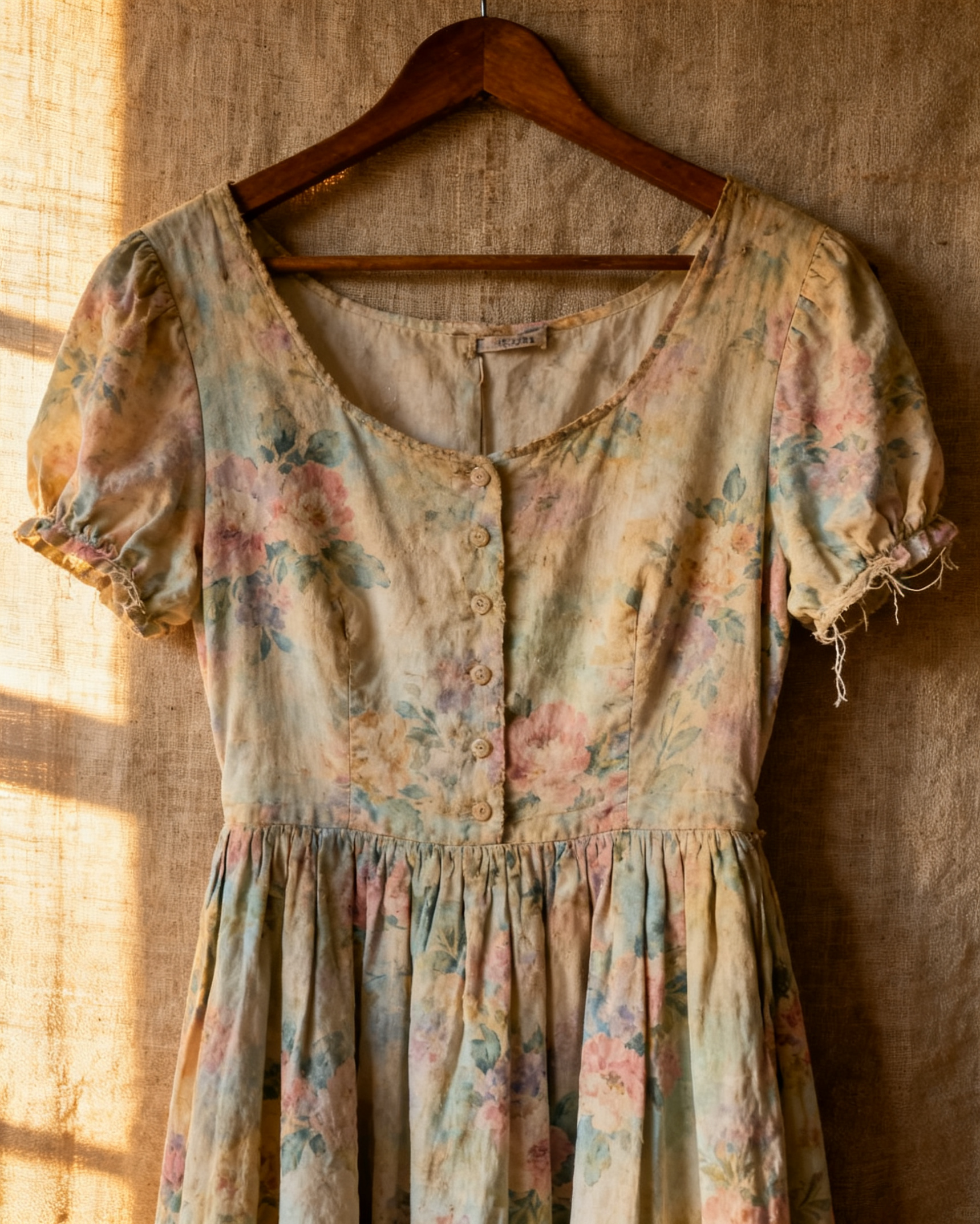
Ask ten people what makes a dress look good and most will land on the same answer without quite meaning to: it looked like it was made for her. Not the newest cut, not the loudest print, simply a dress that sat in the right places. That effect has very little to do with size and almost everything to do with matching a silhouette to the body wearing it, a skill any shopper can learn in an afternoon and then reuse for the rest of a wardrobe.
Why Shape Matters More Than Size
A dress cut for an hourglass frame and worn by a rectangle frame can look shapeless even in a perfect size match, while the reverse pairing can look tight in all the wrong places. Reading a garment for its neckline, waist placement and hemline before its size label is the single biggest shift in how confidently a dress fits, and it costs nothing to learn. It is also exactly the habit that makes shopping pre-loved easier rather than harder, since a considered secondhand rail spans decades of cuts that a single season of new arrivals never could.
Finding Your Shape, Honestly
Most people already know their shape once it is put into plain terms. Hourglass frames carry roughly balanced shoulders and hips with a defined waist. Pear shapes carry more width through the hip and thigh than the shoulder. Apple shapes carry more fullness through the middle with slimmer legs. Rectangle shapes run close in measurement from shoulder to hip with little waist definition. Inverted triangle shapes carry broader shoulders than hips. None of these is a verdict on how a body looks, each is simply a starting point for choosing which dress silhouette does the most flattering work with the least effort.
Hourglass
A wrap dress or a fitted style with a defined waist does the most for this shape, because it echoes a waistline that is already there rather than hiding it. Bias-cut silk and jersey both work well here, and a V-neck keeps the upper body in proportion with the hip.
Pear
A fit-and-flare or A-line dress balances a fuller hip by adding visual width at the shoulder and letting the skirt fall away cleanly from the waist. A boat neck or structured shoulder detail does similar work from the top down, and a darker skirt paired with a lighter or more detailed bodice is an easy way to shift attention upward without any real effort.
Apple
An empire waistline, sitting just under the bust rather than at the natural waist, is the most reliable choice for this shape, since it skims rather than cinches through the middle. A V-neck elongates the torso, and a hemline that falls at or just below the knee keeps proportions balanced without adding bulk anywhere.
Rectangle
This shape has the most room to create the illusion of a waist, using a belted dress, a wrap style, or a peplum detail that adds definition exactly where the body runs straight. A fuller or pleated skirt below a fitted top does the same job from the opposite direction.
Inverted triangle
A dress with a fuller skirt and a simpler, unstructured top, an A-line or full-skirted silhouette, balances broader shoulders by adding volume below the waist. A scoop or V-neck keeps the shoulder line from reading even wider, and a skirt with movement, pleats or a soft gather, does more visual work than a straight column skirt ever could.
Necklines, Waistlines and Hemlines: The Three Levers That Actually Matter
Every dress silhouette comes down to three decisions repeating in different combinations. The neckline sets the frame around the face and shoulders. The waistline decides where the eye reads as the narrowest point on the body, whether that is the natural waist, an empire line, or no defined waist at all. The hemline decides how much leg shows and where the body reads as ending, which affects proportion more than most shoppers expect. Once these three levers are understood on their own, matching them to a body shape becomes far less about a fixed rulebook and more about a handful of combinations worth trying.
Why a Pre-Loved Rail Makes This Search Easier
A single season of new arrivals tends to repeat two or three silhouettes at most, whatever the trend cycle currently favours. A pre-loved dress rail carries none of that constraint, spanning cuts from multiple decades and multiple brands at once, which means the specific wrap dress or empire-waist silhouette that suits a particular shape is far more likely to actually be there. Every dress in the womenswear edit lists its fabric, fit notes and condition grade up front, so trying a new silhouette pre-loved carries far less risk than committing to it at full retail price for the first time.
A Five-Dress Wardrobe That Works With Any Shape
- One wrap dress in a mid-weight jersey or silk, the single most universally flattering cut across shapes.
- One A-line or fit-and-flare dress for occasions that call for a little more movement.
- One shirt dress, belted at the natural waist or left open over trousers, for daytime versatility.
- One slip dress, layered under a shirt or blazer from the menswear edit for a considered, borrowed-from-the-boys look.
- One structured midi dress in a darker tone for evenings, styled with heels from the shoes edit.
How e.clothing Makes Trying a New Silhouette Lower Risk
Buying an unfamiliar cut secondhand removes most of the downside of trying it in the first place. Every dress listed carries an honest condition grade, precise measurements and material composition, and is checked against its brand tag before it goes live, so a shopper trying an empire waistline or a bias cut for the first time is working from real information rather than a guess. If the shape does not end up working, reselling a piece that turned out to be the wrong cut costs far less than the same lesson learned in a new dress bought at full price.
A Few Quick Questions
Can one dress silhouette really suit every body shape?
A wrap dress comes closest, since its adjustable tie lets the wearer set the waist definition herself, but no single cut is universal. Trying two or three silhouettes pre-loved is a low-cost way to find which one actually works.
Does the fabric of a dress change how the silhouette reads?
Significantly. A stiffer cotton or taffeta holds a shape away from the body, which suits fuller skirts, while a soft jersey or silk skims closer and suits wrap and slip styles. The same silhouette in two different fabrics can flatter two different shapes.
How much does hemline length actually affect proportion?
More than most shoppers expect. A hemline that hits at the narrowest point of the calf tends to be the most universally flattering length, while one that cuts across the widest part of the leg can shorten the look of the whole silhouette.
The best dress in any wardrobe is rarely the newest one, it is the one whose cut was already right the day it was bought. Start with the current silhouettes in the womenswear edit, each one measured and condition-graded before it lists, or if a dress at the back of a closet never quite found its shape, list it for someone it will fit perfectly.
Shop the edit
Every piece linked in this guide is brand-verified before it goes live.