The Pre-Loved Sneaker and Boot Fit Guide for 2026
Sole wear, half sizes and the trend shapes worth chasing this year. How to buy secondhand footwear that actually fits, the first time.
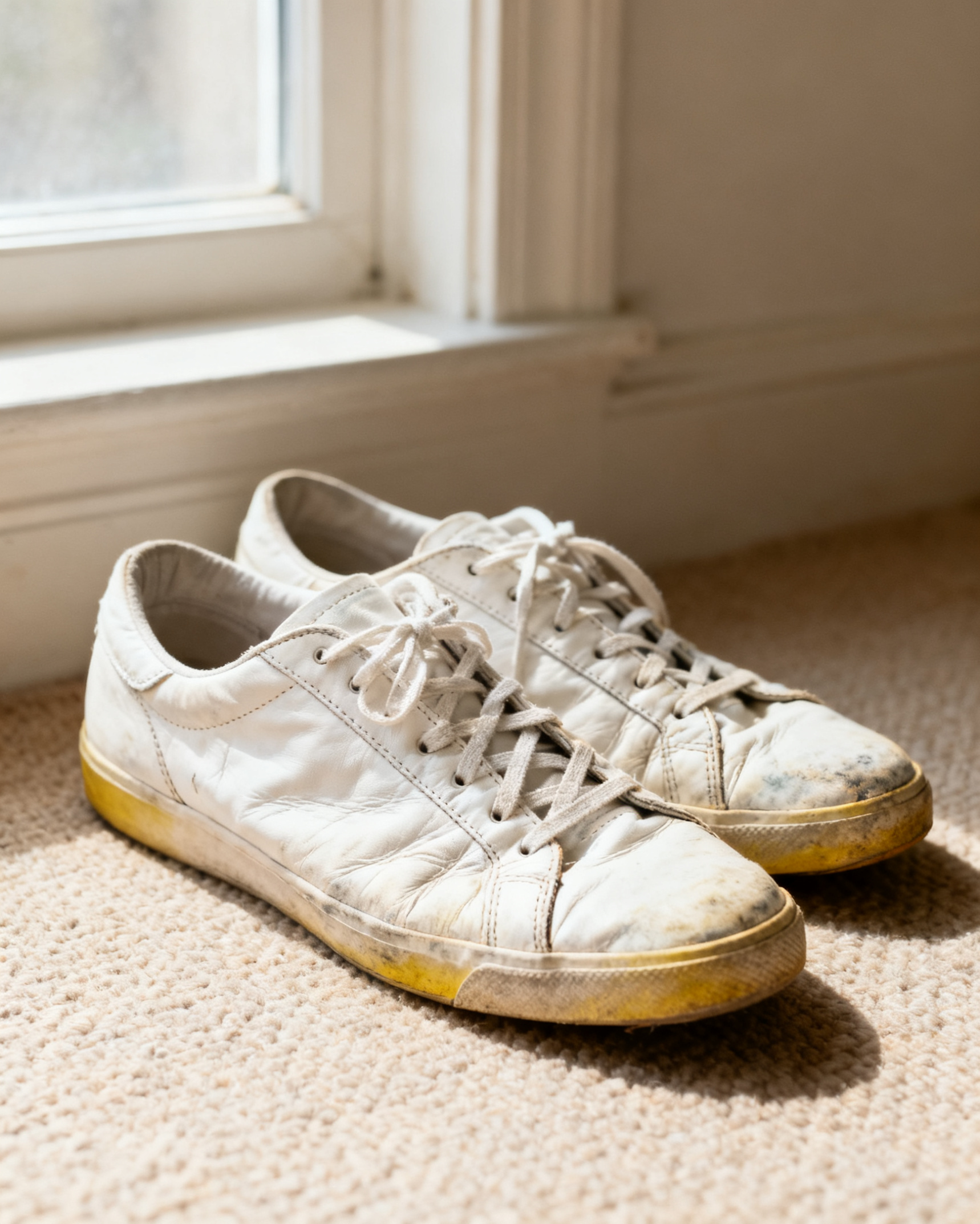
Shoes are the one category most shoppers hesitate to buy secondhand, and the reasoning makes sense on the surface: a coat that runs slightly large is still wearable, a shoe that runs slightly large is not. The good news is that footwear is also one of the easiest categories to judge honestly from a listing, once you know exactly what to check. Sole wear, lining condition and true-to-size notes tell you almost everything a new-in-box label would, without the new-in-box price.
Why Sizing Confidence Matters More in Shoes Than Almost Anywhere Else
A half size off changes everything
With clothing, a size that runs slightly generous or slightly tight is usually still workable, or at worst needs a belt or a tailor. With shoes, half a size in either direction is the difference between a pair that gets worn every day and a pair that sits in a box. That is exactly why every listing in the shoes edit states the manufacturer size in EU sizing consistently, alongside the seller's own note on whether that specific pair runs true, small or generous for its brand.
Reading sizing across different brands
Sneaker sizing in particular can shift by close to half a size between brands, and sometimes between two different models from the same brand. A running-style sneaker often sits narrower through the midfoot than a court-style sneaker, even in the identical labelled size. Reading a listing's size note alongside its brand and model, rather than trusting the number alone, is the single most useful habit for buying footwear secondhand with confidence.
What Sole Wear and Lining Actually Tell You
Sole wear reveals more than photos suggest
A worn sole is not automatically a dealbreaker, it is information. Even wear across the heel and forefoot suggests a shoe that was worn on flat, even surfaces and cared for reasonably. Heavy wear concentrated on one edge can point to a fit issue for the previous owner rather than a flaw in the shoe itself, which is worth factoring in if that same edge would sit differently on your own foot. Every listing photograph on e.clothing is taken by the seller directly, sole included, so this detail is visible before checkout rather than guessed at.
Interior lining is the honest indicator of true wear
The inside of a shoe wears at a different pace than the outside, and it is usually the more honest indicator of how much life is left. A crisp, unworn interior lining with a lightly creased exterior upper is a strong sign of a genuinely lightly worn pair, while a compressed, flattened footbed suggests heavier use regardless of how clean the outside looks. Condition grades on every listing, from New with tags through to Good, are set with exactly this kind of detail in mind, not just surface appearance.
The Shapes Worth Shopping in 2026
- Retro-runner sneakers in muted, worn-in colourways, still the most reached-for everyday shoe of the year.
- Chunky-soled Chelsea boots that pair as easily with tailoring as with denim, a genuine year-round investment.
- Low, clean court-style leather sneakers as the neutral alternative to a trainer-heavy wardrobe.
- Suede ankle boots in warm neutral tones, the single most versatile boot for transitional weather.
- Structured loafers with a slight platform, the shoe currently bridging smart and casual wardrobes most successfully.
How e.clothing Verifies Every Pair Before It Lists
Footwear goes through the same authentication process as every other department: brand markings on the sole, tongue tag and any stamped serial detail are checked, construction quality is reviewed against known standards for that brand, and the condition grade is set honestly rather than optimistically. A verified pair carries the Original Verified seal, and the full breakdown of how that check works is on the authenticity page. Nothing reaches the shoes edit without clearing it first.
Caring for a Pre-Loved Pair So It Lasts Another Few Years
Leather and suede both benefit from a proper clean and condition shortly after a pair arrives, before the first wear rather than after months of use. Rotating between two pairs rather than wearing one shoe daily lets the footbed and lining fully dry and recover between wears, which is the single biggest factor in how long any pair, new or pre-loved, actually lasts.
A Few Quick Questions
Is it safe to buy shoes secondhand without trying them on first?
Yes, provided the listing states the true-to-size note alongside the manufacturer size. Reading both together, rather than the size number alone, is what makes remote sizing reliable.
How much sole wear is too much?
Even wear across the whole sole with the tread pattern still visible is generally fine. A sole worn through to smooth in one spot, or a heel worn at a sharp angle, is worth factoring into the price or asking the seller about directly.
Do pre-loved sneakers and boots need to be professionally cleaned before wearing?
Not usually. A gentle clean with the right product for the material, leather cleaner for leather, a suede brush for suede, is normally enough before a pair is ready to wear.
A shoe that already fits well is worth more than one that merely looks right in a photo. Browse the current pairs in the shoes edit, each one graded and verified before it lists, or if a pair in your own closet has stopped earning its space, list it for someone whose foot it was always going to suit better.
Shop the edit
Every piece linked in this guide is brand-verified before it goes live.